Table of Contents
Toggle1. What Is ADHD in Children?
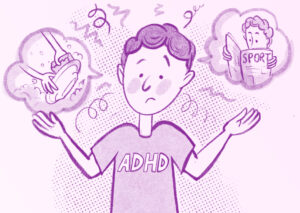
ADHD in children is a neurodevelopmental condition that affects attention, impulse control, and activity levels in ways that interfere with daily functioning. It is not simply high energy or occasional distractibility. Instead, it involves persistent patterns of inattention, hyperactivity, and impulsivity that are developmentally inappropriate and present across multiple settings such as home and school.
The term hyperactivity disorder is often used informally to describe ADHD, particularly when excessive movement is most visible. However, ADHD includes three core domains:
Inattention
Hyperactivity
Impulsivity
Symptoms typically begin in early childhood and must cause measurable difficulty in academic, social, or emotional functioning to meet diagnostic criteria. Childhood ADHD reflects differences in brain development, especially in systems responsible for self-regulation and executive functioning.
2. Understanding Hyperactivity Disorder in Childhood
Hyperactivity in childhood refers to excessive movement, restlessness, and difficulty remaining seated or calm when the situation requires it. A hyperactive child may appear constantly “on the go,” talk excessively, interrupt frequently, or struggle to engage in quiet activities.
However, high energy alone does not equal ADHD. Many young children are naturally active. The difference lies in persistence, intensity, and functional disruption. In ADHD in children, hyperactivity is not situational or occasional it is consistent, difficult to control, and present across environments.
Brain development plays a key role. Research shows that areas of the brain responsible for impulse control, attention regulation, and behavioural inhibition, particularly the prefrontal cortex develop differently in children with ADHD. These differences affect how children regulate movement and behaviour. As a result, what may appear as defiance or lack of discipline is often a reflection of delayed self-regulatory control rather than intentional misbehaviour.
The phrase “hyperactive child” can therefore be misleading. It captures only one visible feature of a broader neurodevelopmental condition.
3. ADHD Symptoms in Children: Core Behaviour Patterns
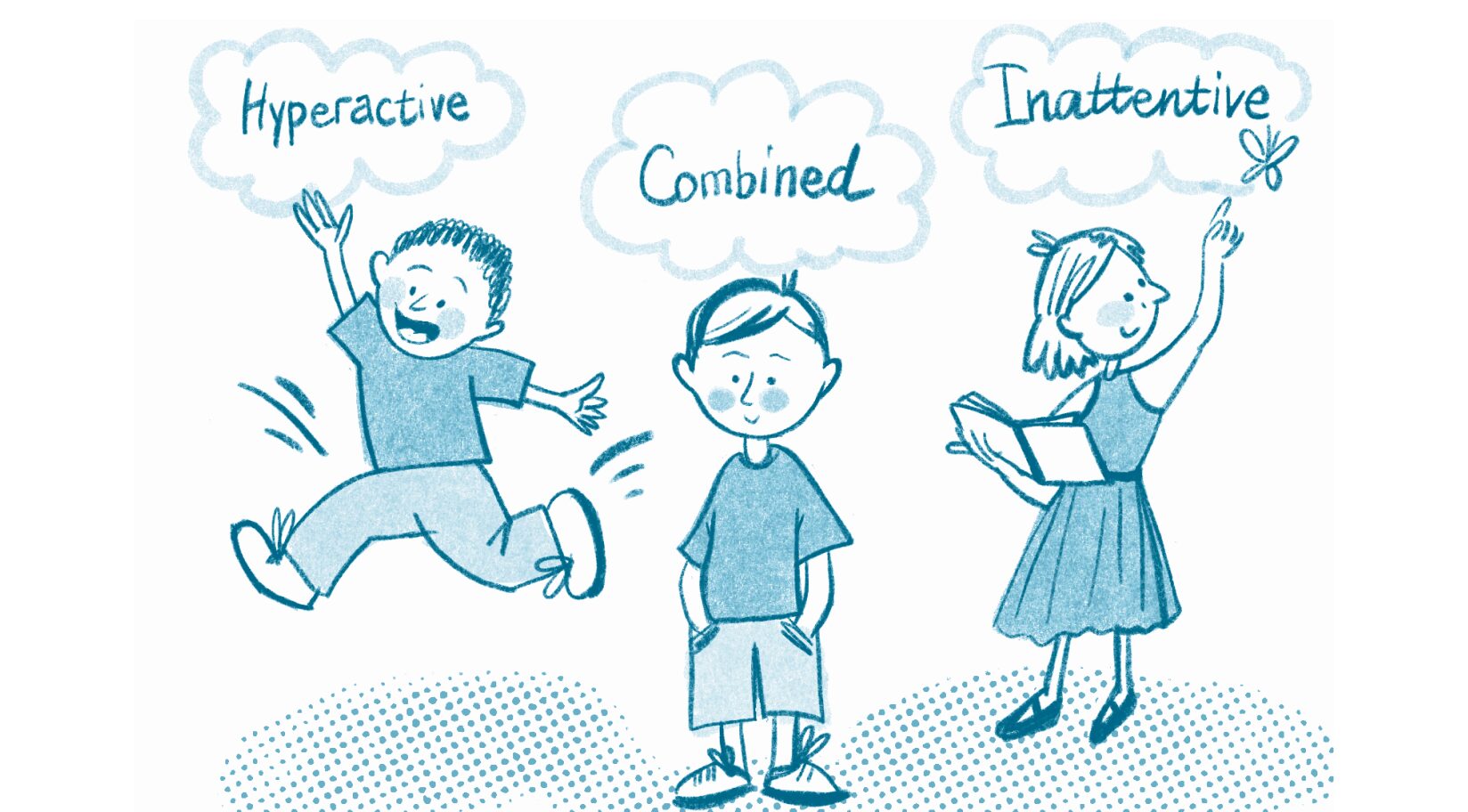
ADHD symptoms in children fall into three clusters: inattention, hyperactivity, and impulsivity. While some children predominantly show one pattern, many display a combination.
Inattention in Children
Inattentive behaviour in children with ADHD is marked by difficulty sustaining focus, frequent careless mistakes, and trouble following through on tasks. These children may appear forgetful, disorganised, or easily distracted by unrelated stimuli.
In academic settings, inattention affects reading comprehension, written work, and multi-step instructions. At home, it may show up as unfinished chores, misplaced items, or repeated reminders for simple routines.
Importantly, this is not laziness. The child often wants to do well but struggles with maintaining mental effort over time.
Hyperactivity in Children
Hyperactivity involves excessive physical movement that is not appropriate to the situation. Hyperactive kids may fidget constantly, leave their seat during class, run or climb excessively, or struggle to engage in calm play.
In structured settings like classrooms, this can create conflict with teachers. At home, it may appear as nonstop activity, loud behaviour, or difficulty settling at bedtime.
Impulsivity in Children
Impulsivity reflects difficulty inhibiting responses. A child may interrupt conversations, blurt out answers, struggle to wait their turn, or act without considering consequences.
Impulsivity also affects emotional regulation. Children may react intensely to minor frustrations, have sudden outbursts, or struggle to pause before responding.
4. Early Warning Signs of ADHD in Children
Early signs of ADHD in children often emerge in preschool years but become more noticeable once structured demands increase.
In preschoolers, persistent restlessness, inability to engage in quiet play, and unusually short attention spans compared to peers may be observed. While toddlers are naturally active, concern arises when behaviour significantly exceeds developmental expectations.
By kindergarten, teachers may notice difficulty sitting during circle time, trouble following classroom routines, and frequent disruptions. Early school years often reveal academic inconsistencies, bright children underperforming due to attention gaps.
Emotional regulation issues are common. Children may cry easily, become frustrated quickly, or struggle with transitions. Socially, impulsivity can lead to peer rejection if the child interrupts, dominates play, or ignores social cues.
The key marker is not isolated behaviour but consistent patterns that interfere with functioning.
5. How ADHD in Children Affects School and Learning
ADHD in children significantly influences learning processes. Attention regulation is essential for encoding and retaining information. When a child cannot sustain focus, classroom instruction is fragmented.
Following multi-step instructions becomes difficult because working memory is affected. Organisation challenges lead to incomplete assignments, forgotten homework, and misplaced materials.
Teacher conflicts may arise when behaviour is misinterpreted as oppositional rather than regulatory difficulty. Peer relationships also suffer when impulsivity disrupts cooperative activities.
Over time, repeated academic struggles can affect self-esteem. Children may internalise messages that they are “careless” or “naughty,” even when effort is present.
6. ADHD in Children vs Normal Childhood Behaviour
Distinguishing ADHD in children from typical behaviour requires examining patterns across five dimensions: frequency, intensity, duration, cross-setting presence, and functional impairment.
All children are occasionally distracted or restless. In ADHD, behaviours occur more frequently than in peers, are more intense, persist for at least six months, appear in more than one setting, and clearly interfere with daily functioning.
A child who is energetic only at home but calm at school is unlikely to meet criteria. Similarly, situational reactions to stress or change do not qualify unless patterns are persistent and impairing.
The difference lies in developmental mismatch and consistent impact.
7. Causes of ADHD in Children
ADHD in children is primarily influenced by genetic and neurobiological factors. Family history significantly increases likelihood. Brain imaging studies show differences in neural circuits related to attention, executive functioning, and behavioural inhibition.
Neurotransmitters such as dopamine and norepinephrine, which regulate focus and impulse control, function differently in ADHD.
Environmental factors such as prenatal exposure to toxins, premature birth, or early neurological stress may increase risk but do not directly cause the condition.
Importantly, ADHD is not caused by poor parenting, excessive screen time alone, or sugar consumption. Parenting style may influence how symptoms are managed, but it does not create hyperactivity disorder.
8. How ADHD in Children Is Diagnosed
There is no single blood test or brain scan that diagnoses ADHD in children. Diagnosis relies on comprehensive clinical evaluation.
A developmental history explores early milestones, behavioural patterns, and family history. Parents and teachers complete behaviour rating scales to assess symptom frequency across settings.
Clinical interviews examine attention, impulse control, emotional regulation, and functional impairment. Differential diagnosis is essential, as anxiety, learning disorders, trauma, sleep issues, and sensory processing challenges can mimic ADHD symptoms in children.
A diagnosis requires that symptoms begin in childhood, persist for at least six months, and cause meaningful impairment.
9. Treatment Options for ADHD in Children
Effective management of ADHD in children often involves a multimodal approach. Behavioural therapy helps children develop self-regulation skills and structured routines. Parent training programmes equip caregivers with strategies for reinforcement, consistency, and boundary setting.
School accommodations such as seating adjustments, structured instructions, and modified assignments reduce academic strain.
Medication, when appropriate, supports neurotransmitter regulation and improves focus and impulse control. Stimulant and non-stimulant options are considered based on individual assessment.
Early intervention significantly improves long-term academic and emotional outcomes.
10. When Should Parents Seek Professional Help?
Professional evaluation is recommended when attention difficulties or hyperactivity consistently interfere with school performance, peer relationships, or family functioning.
Warning signs include ongoing academic decline despite effort, severe emotional outbursts, risky impulsive behaviour, social withdrawal due to peer rejection, and persistent hyperactivity that disrupts daily routines.
Seeking support early does not label a child it clarifies needs and opens pathways for effective intervention.
11. Common Myths About Hyperactive Kids and ADHD
- MYTH – “It’s just bad parenting.”
FACT- ADHD in children is a neurodevelopmental condition with strong genetic and neurological foundations. Parenting influences coping strategies but does not cause the disorder.
- MYTH – “Children will outgrow it.”
FACT- Some symptoms may change over time, but many individuals continue to experience attention and impulse regulation challenges into adolescence and adulthood.
- MYTH – “Only boys have ADHD.”
FACT- Girls are often underdiagnosed because they may show more inattentive symptoms rather than overt hyperactivity.
- MYTH – “Sugar causes hyperactivity disorder.”
FACT- Research does not support sugar as a primary cause of ADHD, though diet may influence overall energy levels.
12. Frequently Asked Questions
What are the early signs of ADHD in children?
Early signs of ADHD in children include persistent restlessness, difficulty sustaining attention during play, frequent impulsive behaviour, and challenges following simple routines. In preschool years, symptoms may appear as excessive movement, unusually short focus span compared to peers, and emotional outbursts that seem disproportionate. Concern arises when these behaviours are consistent across settings and interfere with learning or social interaction. Occasional distractibility is normal; persistence and impairment are key indicators.
How do I know if my child is hyperactive or has ADHD?
A child may be naturally energetic without having ADHD. The distinction lies in duration, intensity, and functional impact. ADHD in children involves persistent symptoms across home and school, lasting at least six months, and clearly affecting academic or social functioning. If hyperactivity is constant, difficult to manage, and paired with inattention or impulsivity, a professional assessment can help clarify whether it reflects childhood ADHD.
At what age can ADHD be diagnosed?
ADHD in children can be reliably diagnosed from around age four to six, although symptoms often become clearer once school demands increase. Before this age, high activity levels are common and may not indicate a disorder. A diagnosis requires consistent behavioural patterns, developmental history, and evidence of impairment across settings.
Can ADHD in children improve over time?
Symptoms of ADHD in children can change with development. Hyperactivity may decrease with age, while inattention may persist. With early intervention, behavioural therapy, school support, and appropriate treatment, many children show significant improvement in functioning and self-regulation.
Is hyperactivity disorder the same as ADHD?
Hyperactivity disorder is often used informally to describe ADHD, particularly when excessive movement is prominent. However, ADHD includes inattention and impulsivity in addition to hyperactivity. A child may have predominantly inattentive symptoms without obvious hyperactivity.
What are the most common ADHD symptoms in children?
The most common ADHD symptoms in children include difficulty sustaining attention, frequent careless mistakes, forgetfulness, fidgeting, excessive talking, interrupting others, and difficulty waiting their turn. These behaviours must be persistent, developmentally inappropriate, and impairing to meet criteria for ADHD.
ADHD in children is a complex but manageable neurodevelopmental condition. Early recognition, accurate diagnosis, and structured intervention significantly improve long-term outcomes and emotional wellbeing.