ADHD symptoms are patterns of inattention, hyperactivity, and impulsivity that are persistent, developmentally inappropriate, and impair daily functioning. While occasional distraction or restlessness is normal, symptoms of ADHD are more frequent, more intense, and interfere with academic, occupational, or social life across settings.
Attention-Deficit Hyperactivity Disorder (ADHD) is a neurodevelopmental condition. Its symptoms emerge from differences in executive functioning, the brain systems responsible for focus, self-regulation, planning, impulse control, and emotional modulation. ADHD disorder symptoms vary by age, but the core domains remain consistent: inattention, hyperactivity, and impulsivity. The way these signs of ADHD present changes from childhood to adulthood.
Table of Contents
ToggleWhat Are ADHD Symptoms?
ADHD symptoms refer to enduring patterns of difficulty in three core domains:
Inattention
Hyperactivity
Impulsivity
For a clinical diagnosis, these symptoms must:
Persist for at least six months
Be present in more than one setting (e.g., school and home, or work and relationships)
Cause measurable functional impairment
Be inconsistent with developmental expectations
Importantly, ADHD symptoms are not simply personality traits or occasional lapses in focus. They reflect underlying executive regulation challenges that affect how a person organises tasks, sustains effort, regulates behaviour, and manages emotions.
Developmental variation is central. A hyperactive preschooler may run excessively, while an adult may experience internal restlessness. The surface behaviour changes; the regulatory difficulty remains.
Core ADHD Symptoms: Inattention, Hyperactivity, and Impulsivity
These three domains interact. Many individuals experience overlapping symptoms, although one domain may be more prominent.
Inattention
Inattentive symptoms stem from executive dysfunction. This involves difficulty sustaining mental effort, organising tasks, prioritising steps, and filtering distractions.
In practical terms, this may look like:
Frequent careless mistakes
Difficulty completing tasks
Losing essential items
Forgetfulness in daily activities
Struggling with time management
In children, inattentive ADHD signs may appear as unfinished homework. In adults, they may show up as chronic disorganisation or missed deadlines.
Hyperactivity
Hyperactivity is not limited to physical overactivity. It reflects difficulty regulating motor output and internal stimulation levels.
It may include:
Fidgeting or squirming
Difficulty staying seated
Excessive talking
Feeling “driven” or internally restless
In adults, hyperactive behaviours often become internalised a persistent sense of agitation rather than overt movement.
Impulsivity
Impulsivity reflects inhibition difficulties acting before thinking, struggling to delay gratification, and reacting emotionally without pause.
Common impulsive tendencies include:
Interrupting conversations
Blurting out answers
Risk-taking behaviours
Emotional outbursts
Difficulty waiting
Emotional impulsivity is increasingly recognised as a significant component of ADHD disorder symptoms, especially in adolescents and adults.
ADHD Symptoms in Children
Childhood ADHD symptoms often become noticeable in structured environments like school. The demands of sitting still, following instructions, and completing assignments expose regulatory weaknesses.
In the classroom, signs of ADHD may include:
Leaving seat repeatedly
Incomplete work despite ability
Careless academic errors
Difficulty following multi-step instructions
Frequent distraction
Emotionally, children may struggle with frustration tolerance. Minor setbacks can trigger disproportionate reactions. Peer relationships may suffer due to impulsive behaviour or difficulty reading social cues.
It is important to distinguish ADHD disorder symptoms from normal childhood energy. Most children are active and distracted at times. Clinically significant symptoms are persistent, occur across settings, and impair learning or relationships.
ADHD Symptoms in Teenagers
Adolescence introduces higher academic demands and social complexity. Teen ADHD signs often shift from overt hyperactivity to executive dysfunction and emotional intensity.
Common teenage symptoms of ADHD include:
Chronic procrastination
Difficulty managing long-term assignments
Inconsistent academic performance
Risk-taking behaviours
Heightened emotional reactivity
As independence increases, unstructured time becomes harder to manage. Teenagers may appear unmotivated, but the underlying difficulty is often task initiation and planning rather than laziness.
Socially, impulsivity may manifest in conflicts, rapid mood shifts, or susceptibility to peer influence.
ADHD Symptoms in Adults
Adult ADHD symptoms are frequently misunderstood because hyperactivity becomes less visible. Many adults experience internal restlessness rather than external overactivity.
Typical adult symptoms of ADHD include:
Chronic disorganisation
Time blindness (underestimating or misjudging time)
Repeated lateness
Difficulty prioritising tasks
Occupational instability
Strained relationships
Adults often describe feeling overwhelmed by simple administrative tasks. Emotional regulation challenges may result in irritability or rapid frustration.
Because adult ADHD symptoms can resemble stress, burnout, or personality traits, many individuals remain undiagnosed for years.
What Are Extreme ADHD Symptoms?
Extreme ADHD symptoms represent the severe end of the spectrum. They involve significant impairment and elevated risk.
These may include:
Severe impulsivity leading to accidents
Aggressive or explosive reactions
Academic failure or repeated job loss
Risky driving or financial behaviour
Substance misuse
Marked emotional volatility
It is important to avoid alarmism. Not everyone with ADHD experiences extreme symptoms. Severity varies widely. However, when impulsivity and regulation difficulties lead to safety concerns or major life disruptions, comprehensive evaluation becomes critical.
ADHD Disorder Symptoms vs Normal Behaviour
Distinguishing ADHD disorder symptoms from normal behaviour depends on five factors:
- Frequency: Occasional distraction is normal. Persistent, daily impairment is not.
- Duration: Symptoms must be ongoing for at least six months.
- Intensity: Reactions are disproportionate to the situation.
- Functional impairment: Academic, occupational, or relational functioning is affected.
- Cross-setting presence: Symptoms occur in multiple environments.
A child who is energetic only at home is unlikely to meet criteria. An adult who misses deadlines across jobs and relationships may warrant evaluation.
When Do Symptoms of ADHD Become Clinically Significant?
Symptoms of ADHD become clinically significant when they are chronic, developmentally inappropriate, and interfere with daily functioning.
Key markers include:
Consistent academic decline
Ongoing workplace instability
Repeated interpersonal conflict
Emotional dysregulation that disrupts daily life
Difficulty meeting age-appropriate responsibilities
Clinical assessment evaluates history, cross-setting patterns, developmental trajectory, and functional impact rather than isolated behaviours.
ADHD and Co-Occurring Conditions
ADHD frequently co-occurs with other conditions, complicating identification.
Common overlaps include:
Anxiety disorders
Learning disorders
Oppositional behaviours
Substance use disorders
For example, inattentive symptoms may resemble anxiety-driven distraction. Emotional volatility may overlap with mood disorders. Untreated ADHD can also increase vulnerability to low self-esteem and depressive symptoms due to repeated failure experiences.
Comprehensive assessment differentiates primary ADHD symptoms from secondary emotional consequences.
When to Seek Professional Evaluation
Professional evaluation is advisable when:
Academic performance declines despite effort
Work instability becomes recurrent
Emotional reactions feel difficult to control
Safety risks increase due to impulsivity
Relationships are repeatedly strained
Symptoms have been present since childhood
Early identification allows for behavioural strategies, environmental supports, and when appropriate, medical intervention.
Frequently Asked Questions
What are the first signs of ADHD?
The first signs of ADHD often involve persistent inattention or excessive activity beyond what is typical for a child’s age. Early ADHD symptoms may include difficulty following instructions, frequent distraction, inability to remain seated, and impulsive interruptions. In preschoolers, hyperactivity may be more noticeable. In school-age children, academic inconsistencies and emotional frustration become clearer. The key feature is persistence across settings and impairment, not isolated energetic behaviour.
What are extreme ADHD symptoms?
Extreme ADHD symptoms involve severe impulsivity, high emotional reactivity, and significant functional impairment. These may include aggressive outbursts, repeated academic failure, risky behaviours, substance misuse, or unsafe decision-making. Extreme symptoms do not mean dangerous behaviour in all cases, but they indicate a high level of executive dysfunction that substantially disrupts life. Clinical assessment is necessary to rule out co-occurring conditions and determine appropriate support.
How do ADHD symptoms differ in adults?
Adult ADHD symptoms often present as disorganisation, time blindness, chronic lateness, difficulty prioritising tasks, and internal restlessness. Hyperactivity becomes less physical and more internal. Emotional impulsivity and frustration intolerance may become prominent. Adults frequently struggle with occupational stability and relationship strain. Because adult symptoms of ADHD are less visibly disruptive than in children, they are often misinterpreted as personality flaws or stress.
Can ADHD symptoms appear later in life?
ADHD is a neurodevelopmental condition, meaning symptoms originate in childhood. However, they may not be recognised until adolescence or adulthood when demands exceed coping capacity. Increased academic, professional, or relational responsibilities can expose longstanding executive difficulties. A thorough evaluation typically explores childhood history to confirm whether symptoms of ADHD were present earlier, even if undiagnosed.
What is the difference between ADD and ADHD?
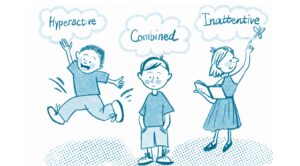
ADD is an older term that referred primarily to inattentive symptoms without hyperactivity. Today, the diagnostic term is ADHD, which includes presentations that are predominantly inattentive, predominantly hyperactive-impulsive, or combined. The term ADD is no longer used clinically, but many people still use it informally to describe inattentive ADHD symptoms without prominent hyperactive behaviours.
How can I tell if behaviour is ADHD or normal?
Normal behaviour is situational, temporary, and developmentally appropriate. ADHD disorder symptoms are persistent, occur across settings, and cause measurable impairment. Frequency, intensity, duration, and functional impact are key distinguishing factors. For example, occasional forgetfulness is normal. Repeatedly missing deadlines, losing essential items, and struggling to complete tasks across years suggests executive dysfunction. Clinical assessment clarifies whether patterns meet diagnostic criteria.
ADHD symptoms exist on a spectrum, shaped by age, environment, and individual neurobiology. Recognising the difference between typical variation and clinically significant impairment allows for timely support and improved long-term outcomes.